Introduction
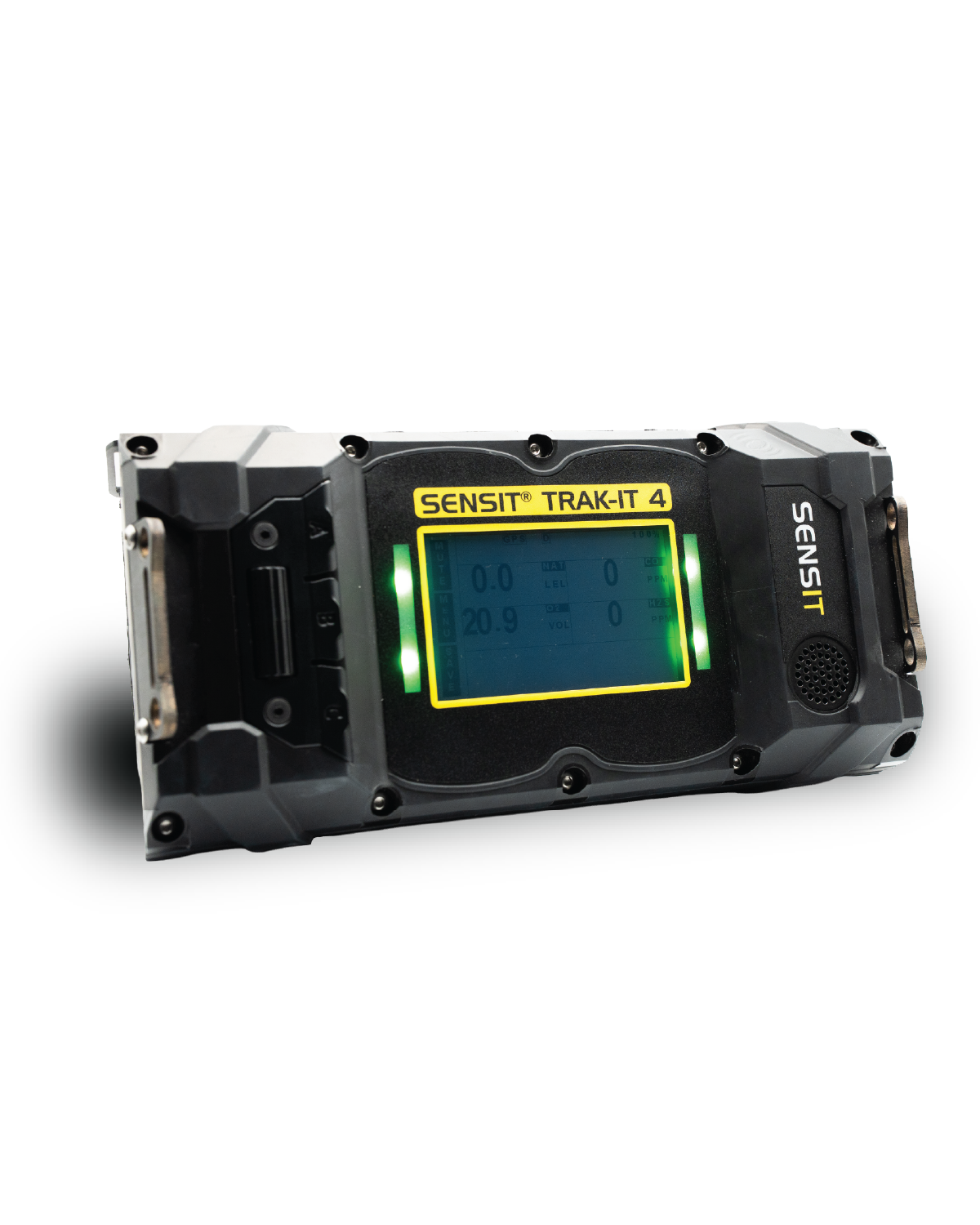
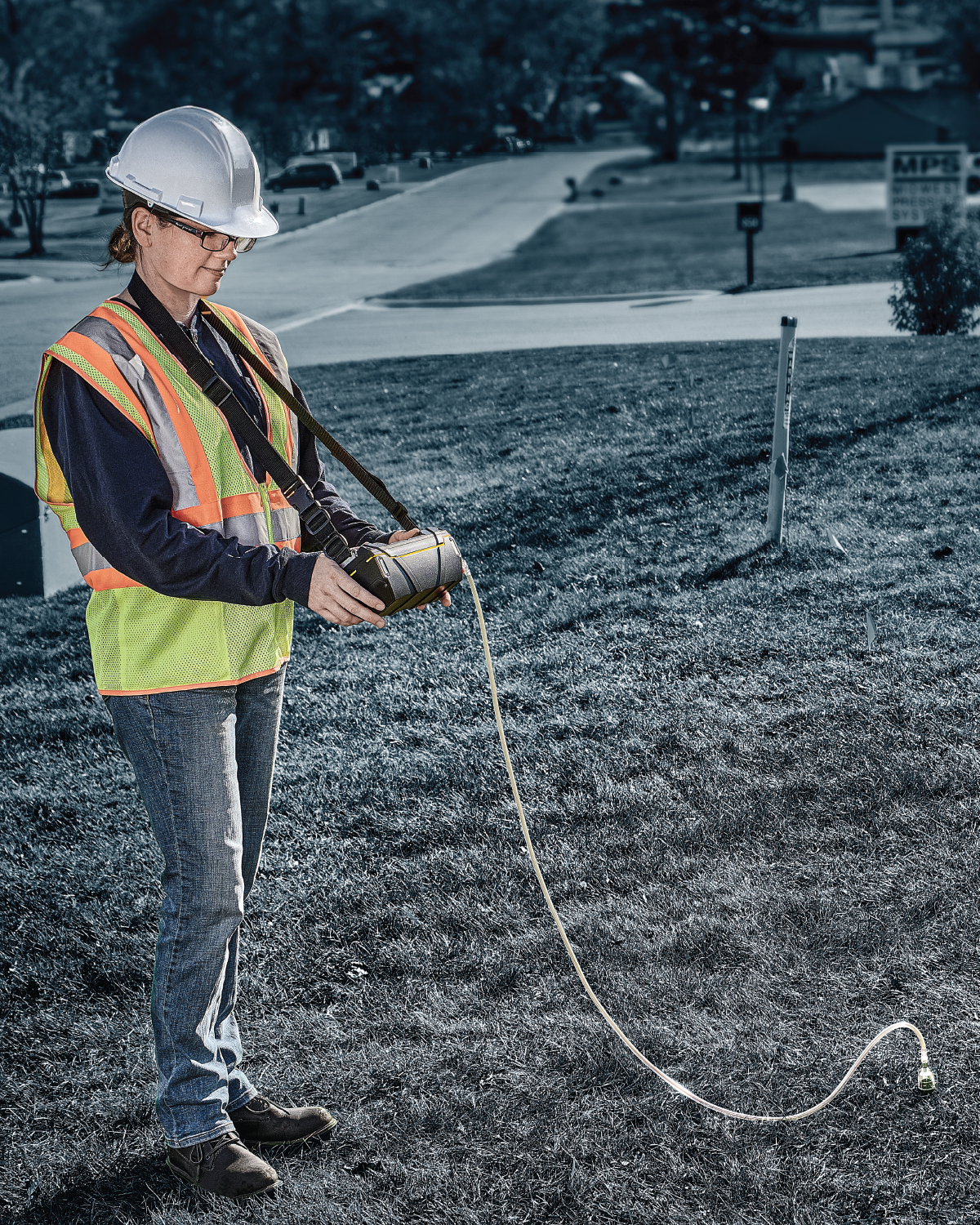
The SENSIT TRAK-IT 4 marks the next generation in combustible gas indicators. Designed to support utility and compliance teams in the field, the TRAK-IT 4 combines simple, intuitive operation with powerful data collection and GPS, and a range of sensor configurations into a platform built for speed, accuracy, and confidence. By streamlining how leak data is captured, mapped, and reported, TRAK-IT 4 helps organizations work more efficiently while maintaining strict documentation standards.
The SENSIT TRAK-IT 4 is a versatile Multi-Gas Detector and documentation solution for professionals responsible for maintaining gas system safety and compliance. It is designed for grading natural gas leaks, pinpointing below ground leaks, above‑ground gas leak investigations, compliance‑driven system inspections, and ongoing system monitoring programs.
Want to pair with a remote methane laser detector? View the SENSIT LZ-30.
Purpose‑Built For Leak and Odor Investigations
The SENSIT TRAK-IT 4 is designed to quickly detect hazardous gas leaks in real-world conditions. The system captures leak data in real-time, providing precise location information, allowing crews to clearly document findings during routine leak investigations and compliance‑driven work.
By automatically associating readings with GPS coordinates, TRAK-IT 4 reduces manual entry, minimizes errors, and creates a clear digital record that supports confident decision‑making in the field.
Clear Data, Reliable Documentation
TRAK-IT 4 delivers consistent, reliable documentation by logging results alongside time and location data. This structured approach helps utilities standardize reporting and simplifies post‑leak detection review and analysis.
Data can be collected and displayed in clear, easy‑to‑interpret formats, supporting effective leak classification, prioritization, and follow‑up while reducing administrative burden on field crews.
Standard Features Built For The Field
Designed for daily use in demanding environments, the SENSIT TRAK-IT 4 includes:
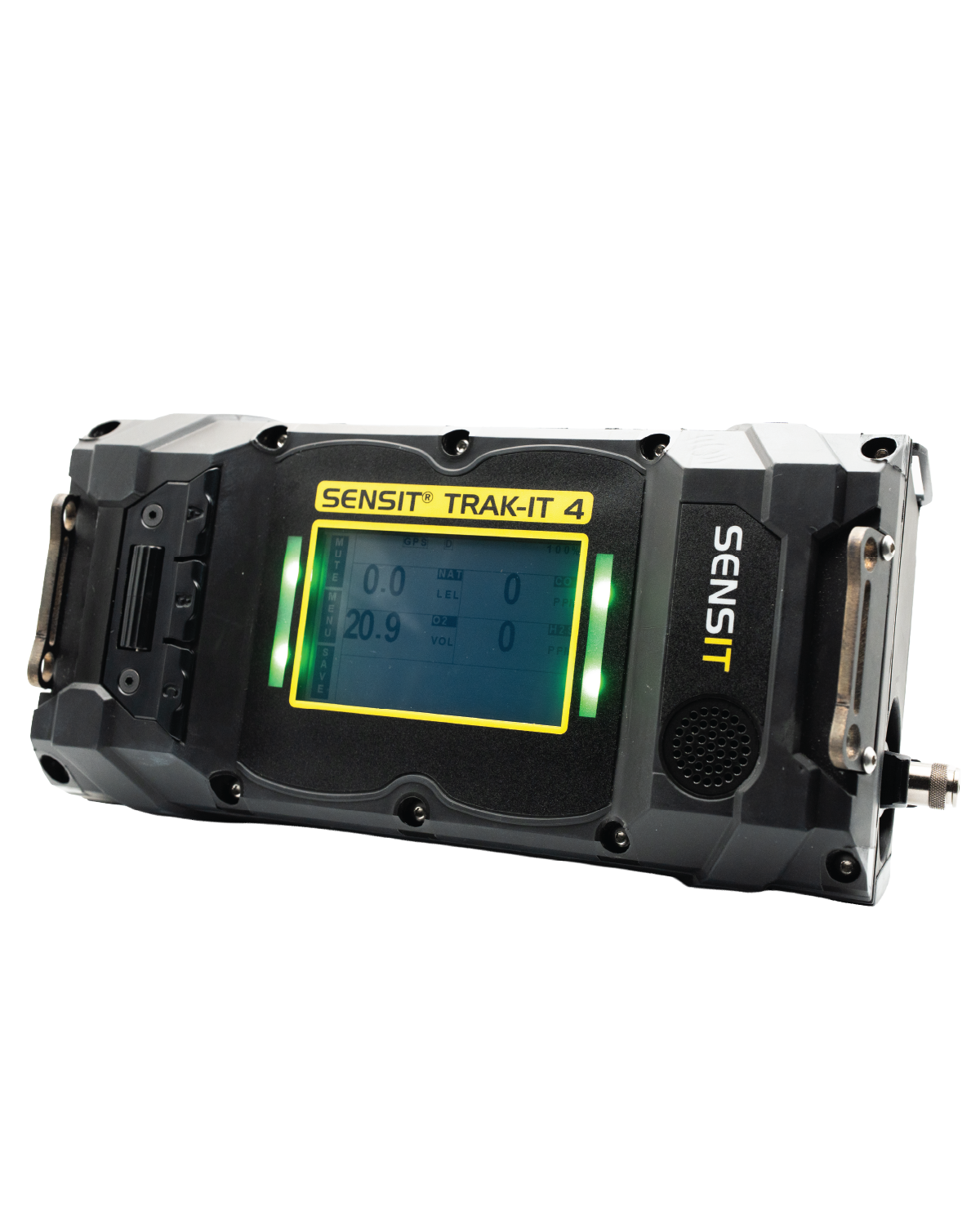
| Rugged construction designed for utility work
| User‑friendly interface for efficient field operation
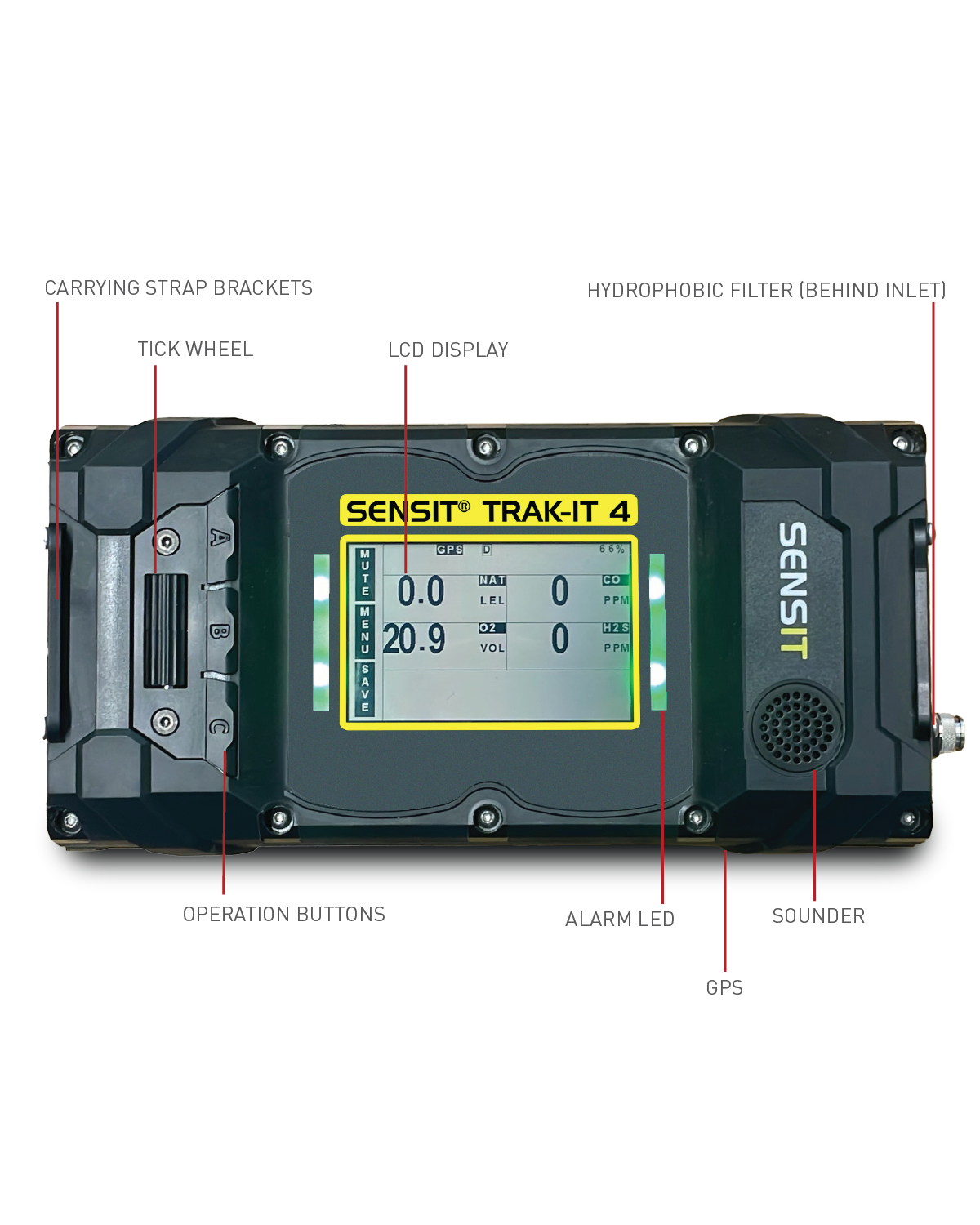
| Integrated GPS for accurate survey mapping
| Bluetooth connectivity for streamlined data transfer
These features work together to deliver a dependable, field‑ready platform that supports consistent workflows across utility operation.
Technology That Keeps Teams Productive
The SENSIT TRAK-IT 4 is designed to integrate into SENSIT’s connected calibration ecosystem, helping organizations manage data more effectively while reducing downtime.
The TRAK-IT 4 platform supports efficient data review, reporting, and archiving, helping organizations stay compliant and prepared without slowing field operations.
What kind of work is the TRAK‑IT 4 built for?
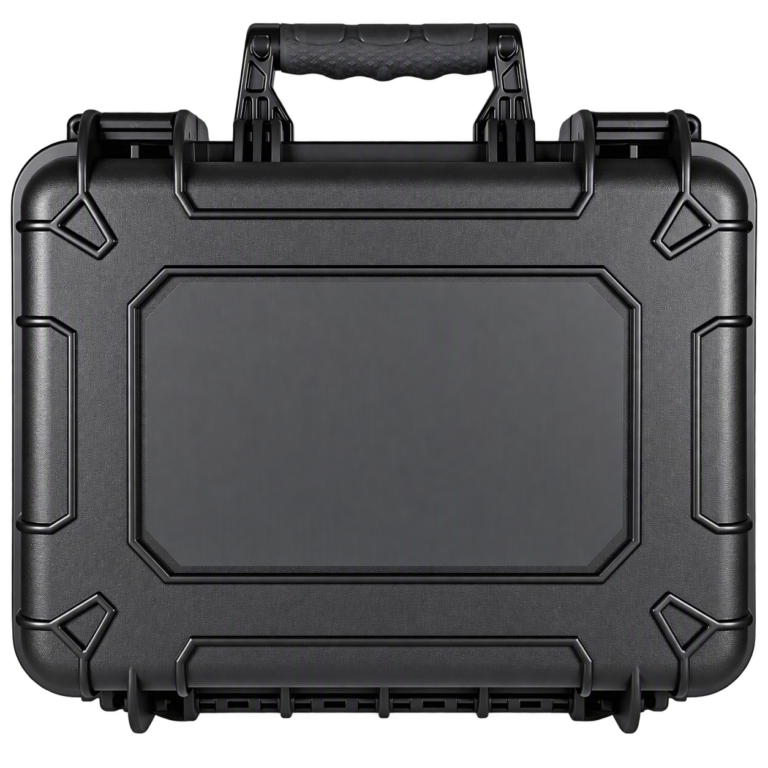
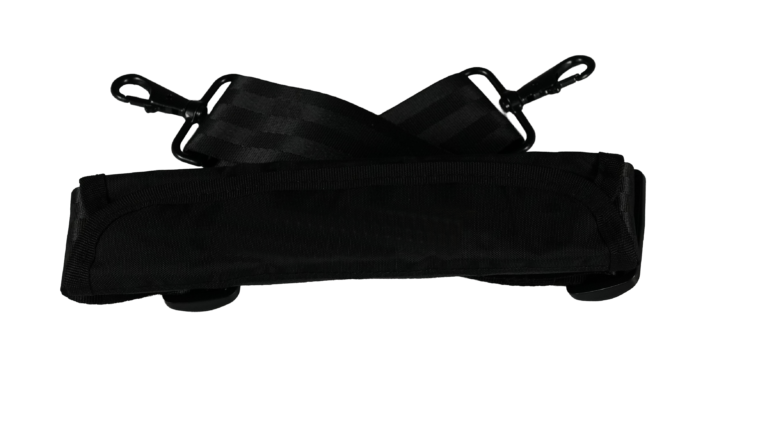
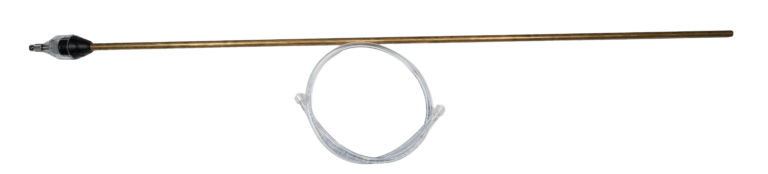
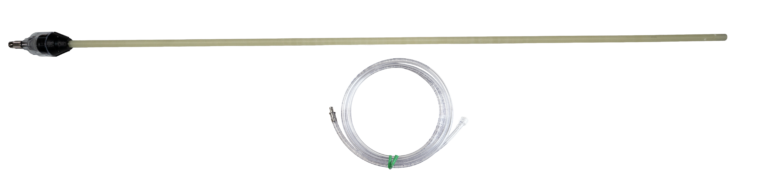
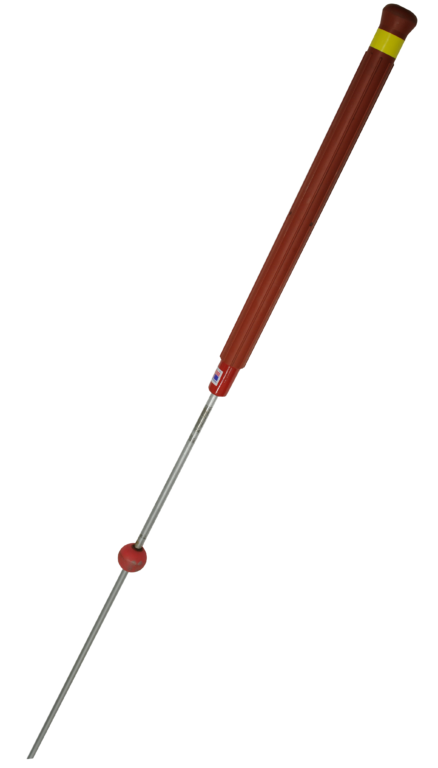
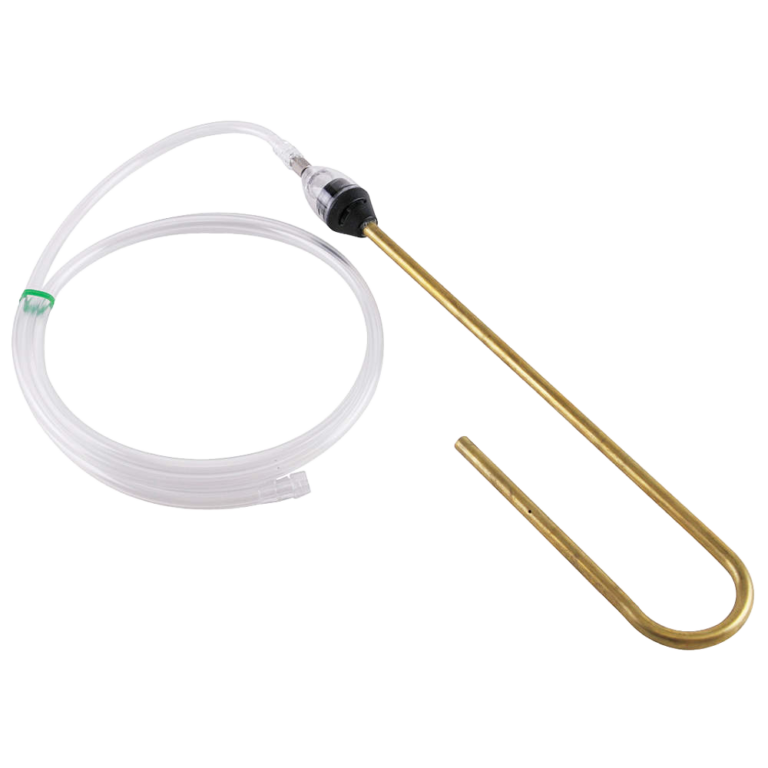
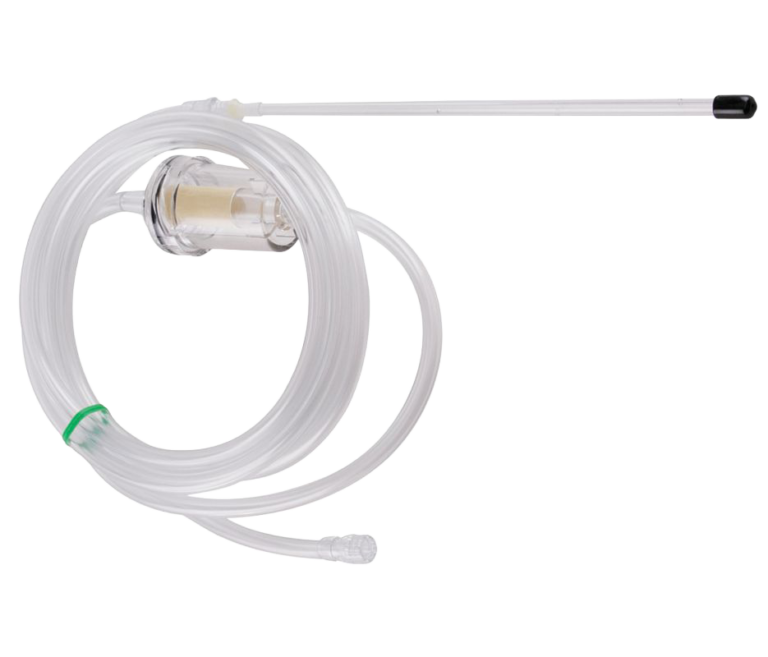
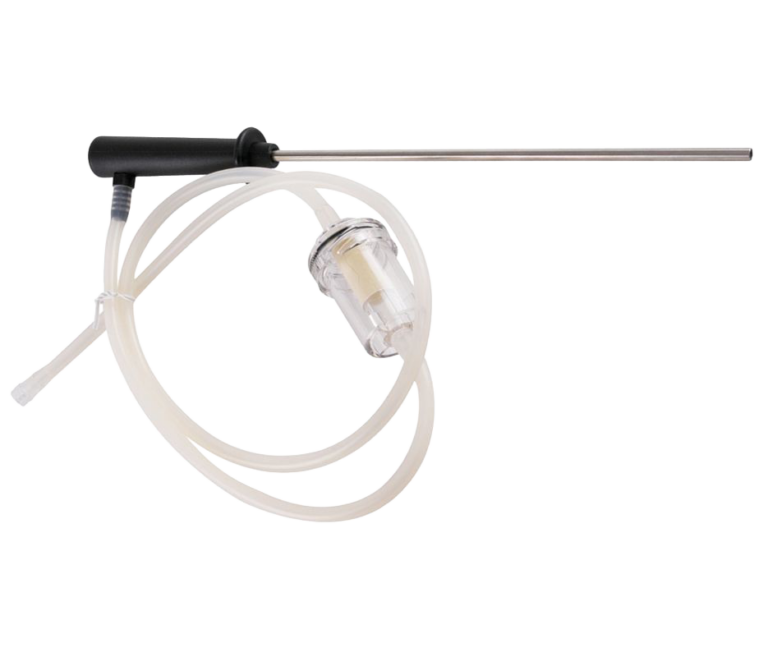
It's designed for natural gas utility crews doing leak investigations, odor calls, and below‑grade bar hole testing. Dedicated modes also cover purging lines into service, inert purging out of service, flue‑gas CO testing, and ditch work. It’s lightweight, has ruggedized housing, comes with a hands-free shoulder strap and pairs with over ten different probes.
How does the Bar Hole Test work?
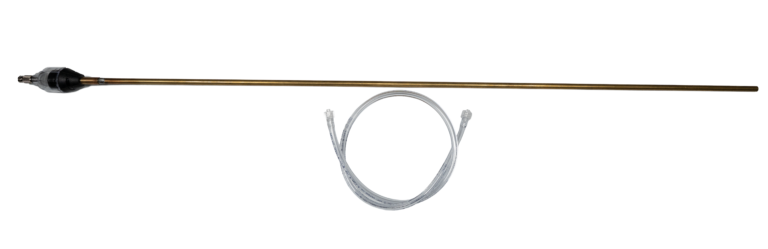
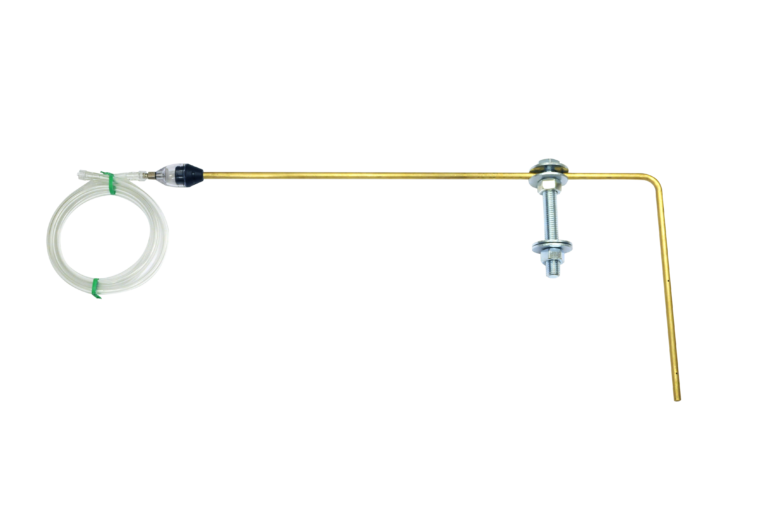
Bar Hole mode runs a timed 20‑second test using the high‑speed pump. Ensure the TRAK-IT 4 has cleared startup before attaching the barhole probe. Then, complete the flow block, and insert the probe down the subsurface bar hole. When you’re ready, start the bar hole test. It shows real‑time and peak %VOL readings side by side, so leaks can be graded consistently. Each test is logged automatically with date, time, and GPS location. A built‑in purge clears the instrument at the end of the test before your next hole.
How do I pinpoint a small leak?
Use the Tick feature, an audible tone that speeds up as you read higher concentrations and get closer to the leak source, so you don't have to watch the screen. The thumbwheel on the handle fine‑tunes the tick rate as you narrow in, and one button press resets it to baseline. For ppm‑level surveys, Leak Search Mode shows combustible gas in 1 ppm steps with its own low‑level alarm, set to 50 ppm by default. Leak Search Mode is optional, so don’t forget to enable it when setting up your instrument with customer service.
My screen shows "NSR" or "NSC." What does that mean?
These readings mean the TRAK‑IT 4 has found a gas that doesn't behave like natural gas. NSC (non‑standard combustible) usually means a heavier combustible such as propane, butane, or gasoline vapor. On an odor call, that can mean the source isn't your gas line. NSR (non‑standard response) usually means a non‑combustible gas heavier than air, such as carbon dioxide. Either reading tells you to look beyond the pipeline before you start digging. NSR and NSC require the %VOL (TC) sensor.
Which mode should I use when purging a line?
It depends on which direction you're purging and with what gas:
Into service with fuel: Use Purge Test. It shows %VOL gas and oxygen and turns off the LEL sensor to protect it from high gas levels.
Out of service with air: Use the normal work display.
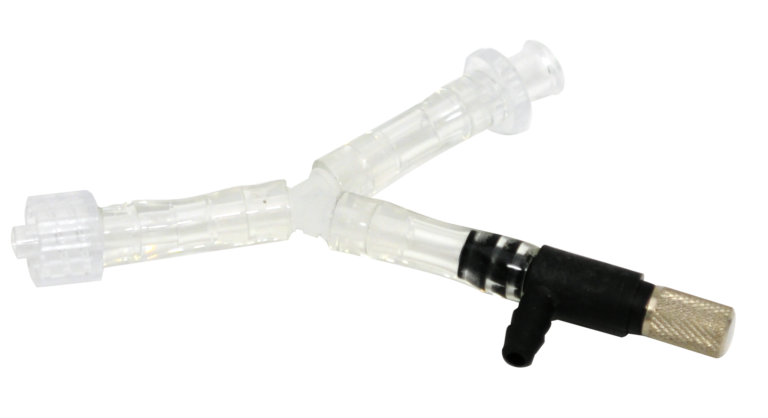
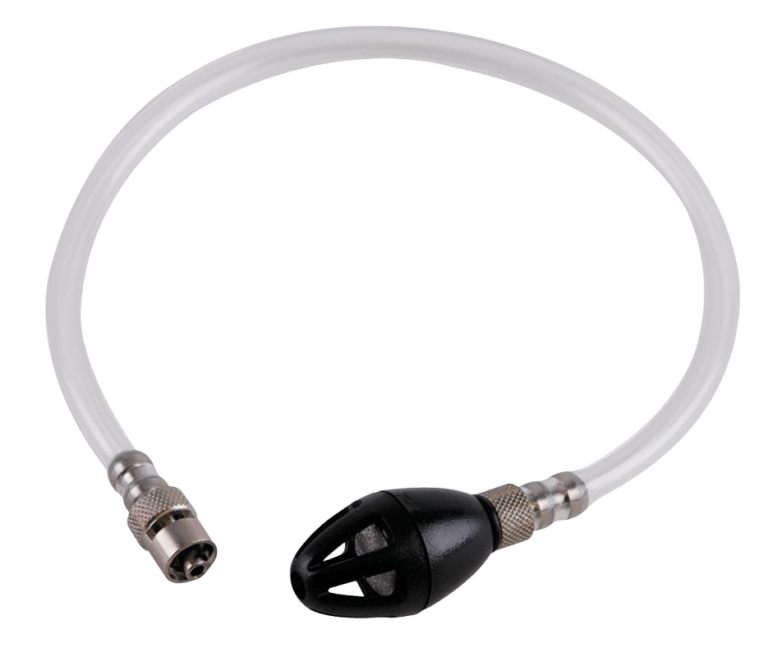
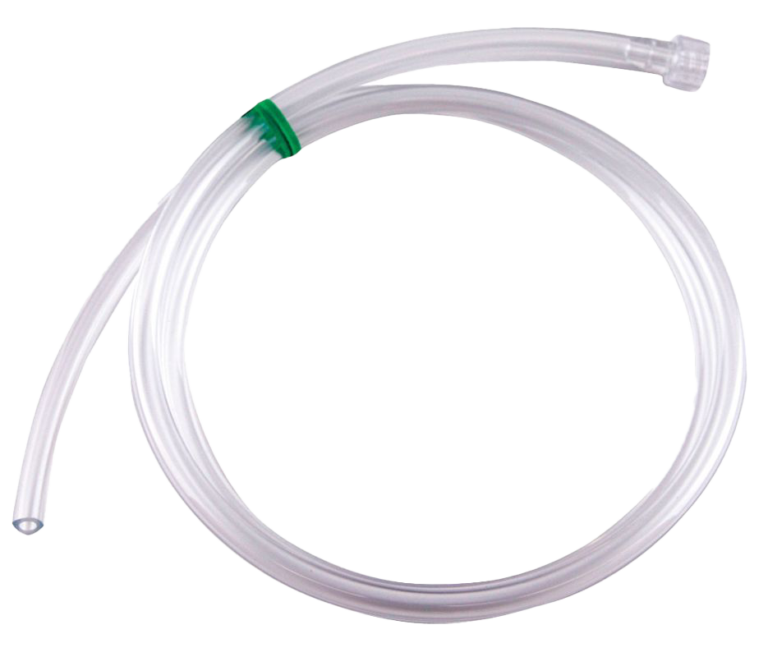
Out of service with an inert gas such as nitrogen: Use Inert Mode with the dilution tube. This mixes oxygen into the sample so the combustible reading stays accurate.
Always use a purge probe so the instrument isn't over‑pressurized. Inert Mode is optional, so don’t forget to enable it when setting up your instrument with customer service.
What if I can't see the screen while I'm testing?
Turn on Peak Mode. When you lower the TRAK‑IT 4 into an excavation, or hold it overhead, it keeps the highest reading for every gas on screen next to the live value. For oxygen, it keeps the lowest. When the instrument comes back up, you see the worst conditions it encountered, not just what it reads currently.
What's the difference between a bump test and a calibration?
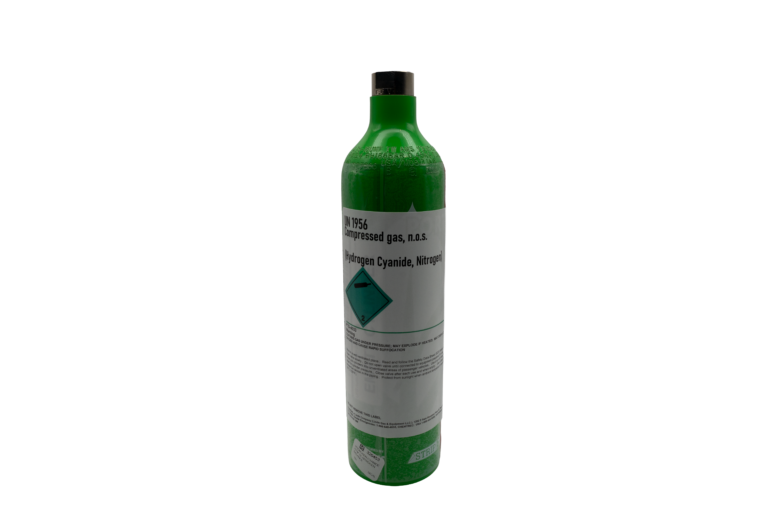
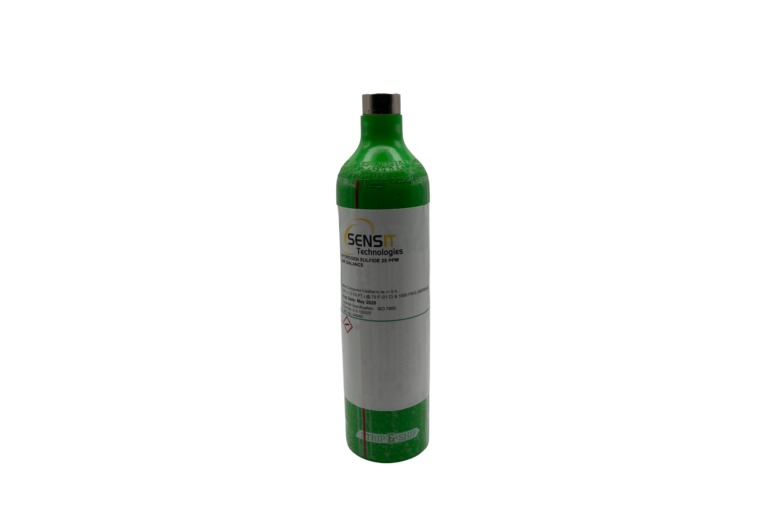
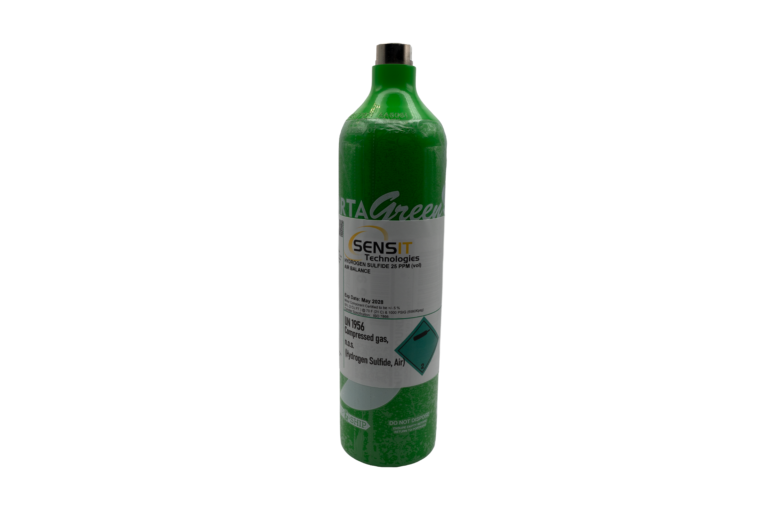
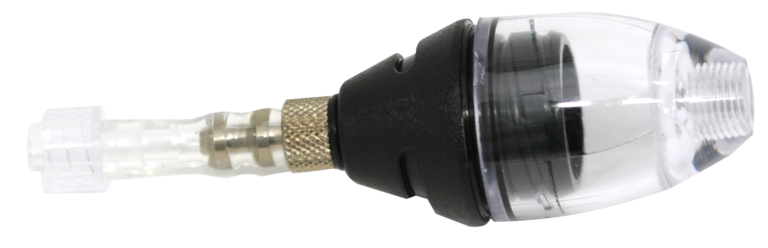
A bump test is a quick check that each sensor responds to gas within 90% of its actual concentration. The instrument gives a pass or fail and should be part of your routine before using it. A calibration adjusts the sensor curve to accurately measure concentration and is the only thing that resets their due dates. If a bump test fails, calibrate. The TRAK‑IT 4 shows next‑due dates at startup and warns you when a calibration is overdue, based on your company's interval.
Is the TRAK‑IT 4 intrinsically safe?
Yes. It is intrinsically safe for Class I, Division 1, Groups C and D hazardous locations (temperature class T4). It is also rated IP54 and suitable for wet locations. It operates from –4°F to 122°F (–20°C to 50°C).
Can I replace sensors in the field?
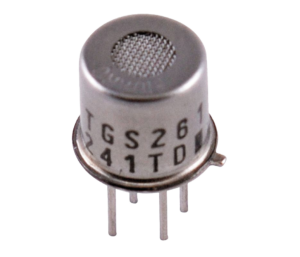
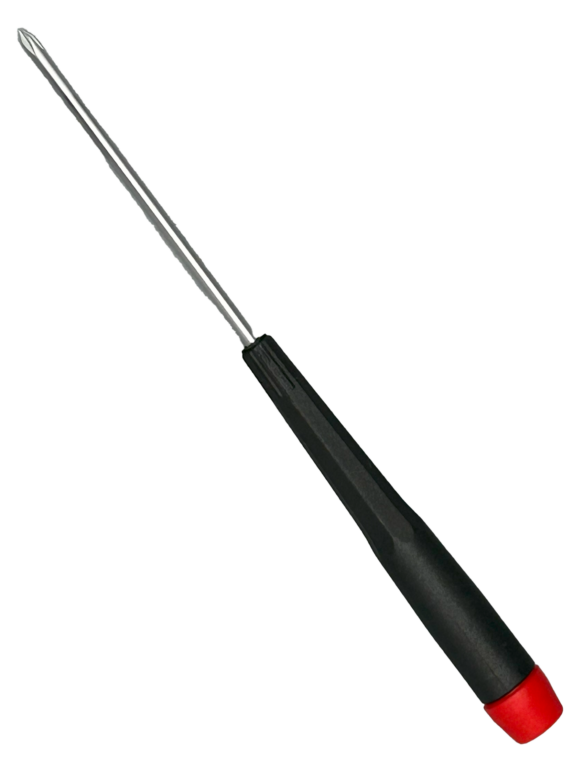
The combustible (LEL) sensor can be replaced in the field with the tool included in the ship kit. That means a crew can swap it and get back to work without sending the instrument in. Other sensors must be serviced by SENSIT or an authorized repair center.
What data does it record, and how do I download it?
The TRAK‑IT 4 logs readings every second, with GPS coordinates and a timestamp, and stores up to about 475,000 data log records. It keeps separate logs for bar hole tests, calibrations, bump tests, purges, and CO tests (up to 1,024 bar hole logs). You can download data over Bluetooth with SyncIT Lite (Free) or SyncIT Plus, which is sold separately.