
What Are Natural Gas Leak Surveys?
Leak surveys are a proactive, frontline process used to systematically confirm the integrity of the natural gas piping network and locate gas leaks. By doing so, utilities can identify potential issues before they become larger problems. Whether conducted via vehicle or on foot, the goal is to identify leaks before they become safety incidents, service disruptions, or regulatory issues. As a result, operators can take corrective action sooner.
In a regulatory environment with increasing focus on emissions from natural gas networks, gas utilities face constant pressure to meet safety, compliance, and operational goals. Specifically, they must:
| Survey large, complex networks frequently and efficiently
| Maintain public safety
| Reduce unaccounted-for gas and fugitive methane emissions
Traditional or low-sensitivity methods can miss small or early-stage leaks. Therefore, utilities need technology capable of detecting leaks before they escalate.
What Causes Natural Gas Leaks?
Corrosion Failure
Galvanic atmospheric and microbiological corrosion can impact the integrity of natural gas distribution systems. Over time, this degradation can contribute to leaks and system failures.
Pipe, Weld or Joint Failure
Over time, pipes, joints, and equipment can wear out or fail due to hidden manufacturing flaws, improper installation, or everyday stress. In addition, aging infrastructure can increase the likelihood of failure.
Natural Force Damage
Temperature changes, heavy rain, floods, subsidence, landslides, earthquakes, and even high winds blowing objects into infrastructure can create stress and the potential for leaks. Tree root systems as well as damage from animals can also be a factor to consider with underground infrastructure.
Excavation Damage
Whether it’s through digging, grading, boring or drilling, the installation and maintenance of other underground utilities is among the most common sources of damage to natural gas piping systems, particularly in urban areas with dense underground networks across gas, water, sewers, and telecommunications.
Outside Force Damage
Vehicular traffic loading and collisions from cars, trucks and other heavy equipment can put outside forces on natural gas piping and connections leading to mechanical damage and leaks.
Intentional Damage
Willful or malicious destruction of equipment does, unfortunately, happen.
What Teams Need To Survey Gas Networks
High Sensitivity Detection To Locate Small Leaks
Limit False Positives By Confirming Leak Is From Gas Network
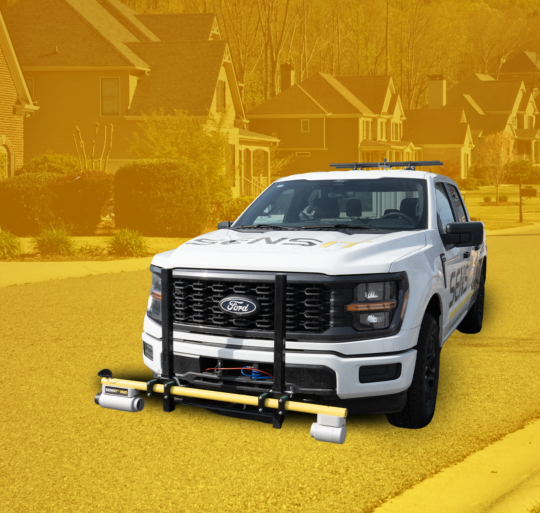
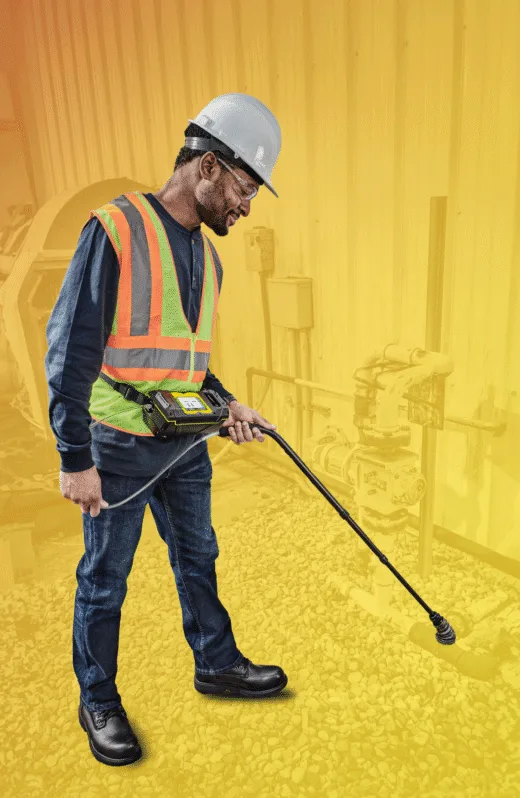
Efficient Coverage Of Large Networks By Vehicle Or On Foot
Clear Indicators For Follow-Up Activity
WHAT WE DO
SENSIT Solutions For Natural Gas Leak Surveys
Our battery powered instruments can be activated quickly and are straightforward to use.