
What Is Natural Gas Leak Detection?
Natural gas is odorless, colorless, and tasteless in its raw form. It is also explosive at certain concentrations in air, which can create a risk to public safety and property. To provide a first line of defense for the public, a chemical odorant is added to give natural gas its distinctive “rotten egg” smell. This unpleasant odor is one of the most important safety features built into a community’s energy system. Anyone who smells gas or suspects a gas leak should immediately move to a safe location and report the leak to the local fire department or gas utility. First responders will be quickly dispatched to investigate.
Natural gas leaks can occur in a variety of environments, from buried neighborhood pipelines right up to the appliances inside homes. Harsh weather, thermal forces, excavation, and routine digging can damage distribution networks and service lines. Often, leak investigations begin with incomplete information and limited visibility of the gas line itself. This can create a challenging situation for first responders to assess potential risks quickly and accurately.
What Causes Natural Gas Leaks?
Corrosion Failure
Galvanic atmospheric and microbiological corrosion can impact the integrity of natural gas distribution systems. Failures are not limited to a hole in the pipe; corrosion on fittings and other components can also lead to leaks.
Pipe, Weld or Joint Failure
Over time, pipes, joints, and equipment can simply wear out or fail due to hidden manufacturing flaws, improper installation, or everyday stress.
Natural Force Damage
Temperature changes, heavy rain, floods, subsidence, landslides, earthquakes, and even high winds blowing objects into infrastructure can create stress and the potential for leaks. Tree root systems as well as damage from animals can also be a factor to consider with underground infrastructure.
Excavation Damage
Whether it’s through digging, grading, boring or drilling, the installation and maintenance of other underground utilities is among the most common sources of damage to natural gas piping systems, particularly in urban areas with dense underground networks across gas, water, sewers, and telecommunications.
Outside Force Damage
Vehicular traffic loading and collisions from cars, trucks and other heavy equipment can put outside forces on natural gas piping and connections leading to mechanical damage and leaks.
Intentional Damage
Willful or malicious destruction of equipment does, unfortunately, happen.
What Teams Need To Investigate Reported Leaks
Trusted Instrument Readings To Assess Potential Risks
Confirm If The Reported Odor/Leak Is From The Gas Network
Locate Leak Source Whether It’s Above Or Below Ground
Record Data, Grade The Leak & Prioritize Repair
WHAT WE DO
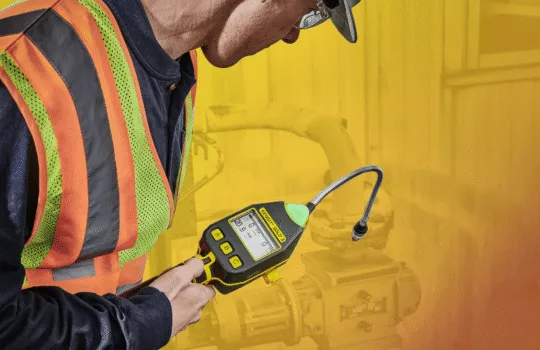
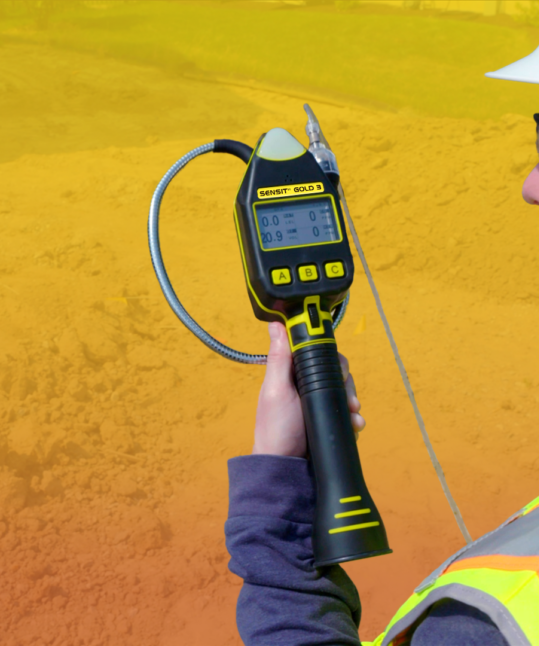
SENSIT Solutions For Natural Gas Leak Detection
Our battery powered instruments can be activated quickly and are straightforward to use.