Introduction
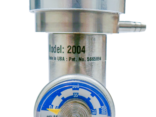
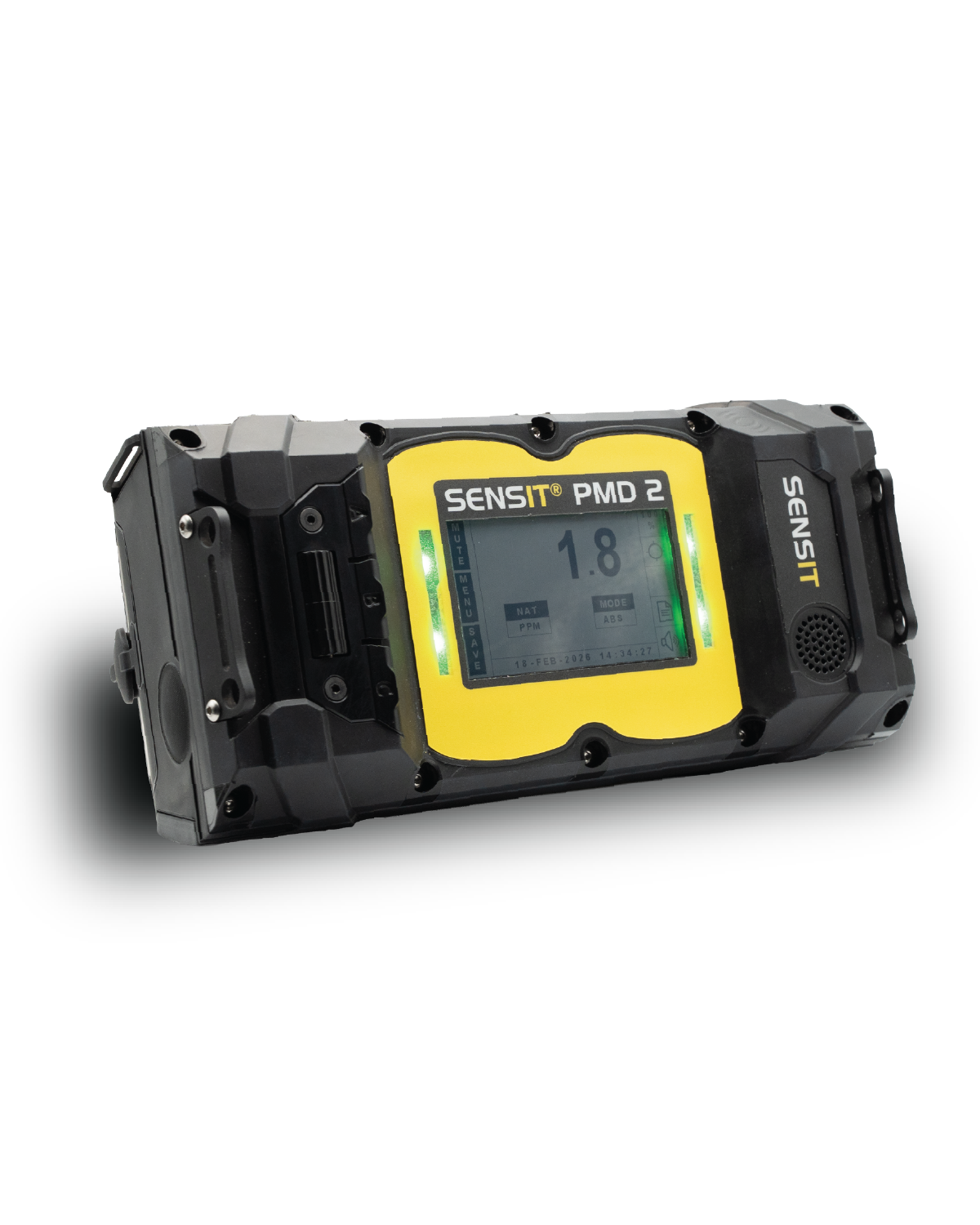
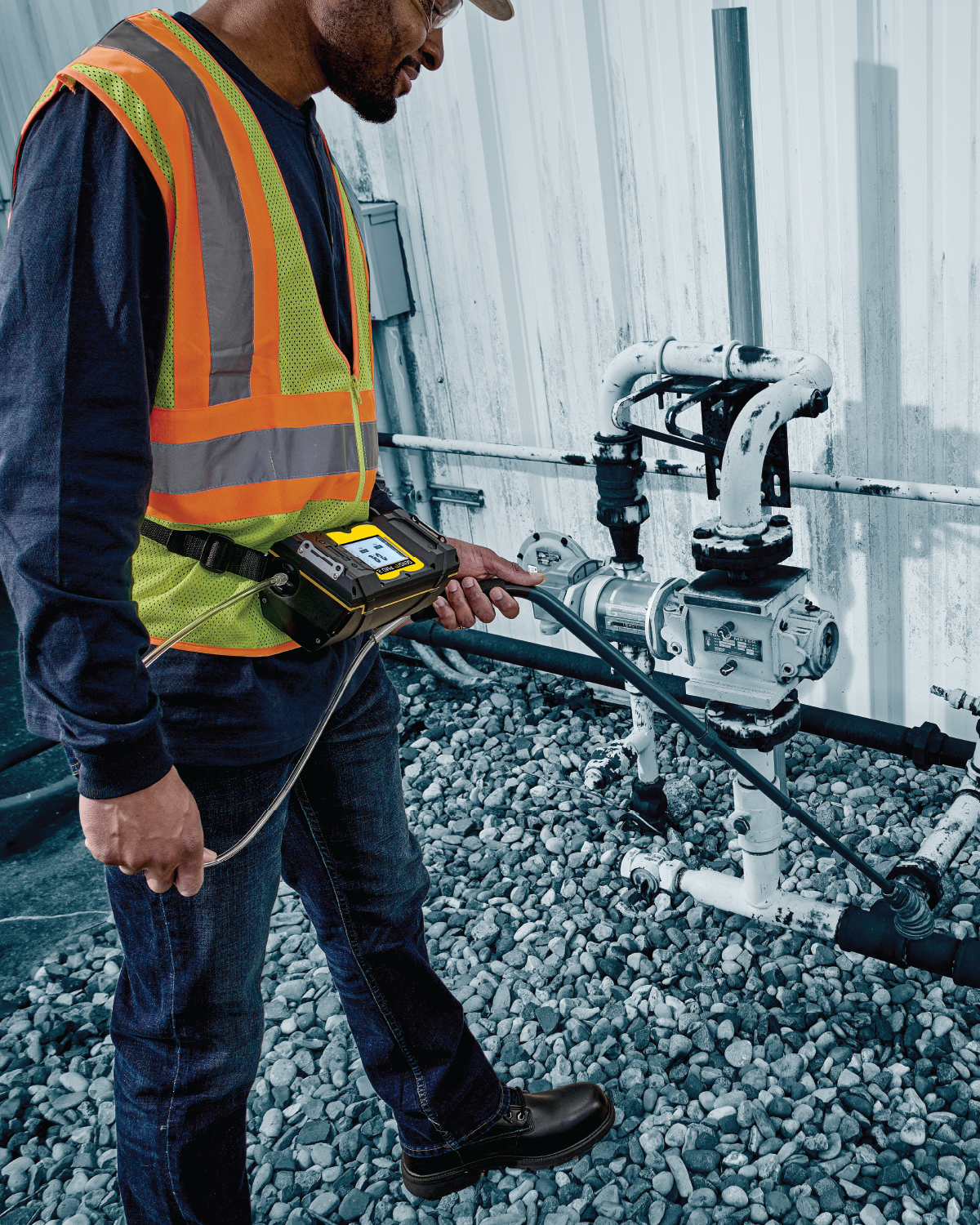
The SENSIT PMD 2 is a versatile TDLAS methane detector and efficient methane leak survey tool. The TDLAS technology makes it methane-selective and perfect for walking surveys of service lines and natural gas infrastructure. With a simple interface, large, illuminated display, and powerful pump the PMD 2 delivers fast, accurate and actionable detection.
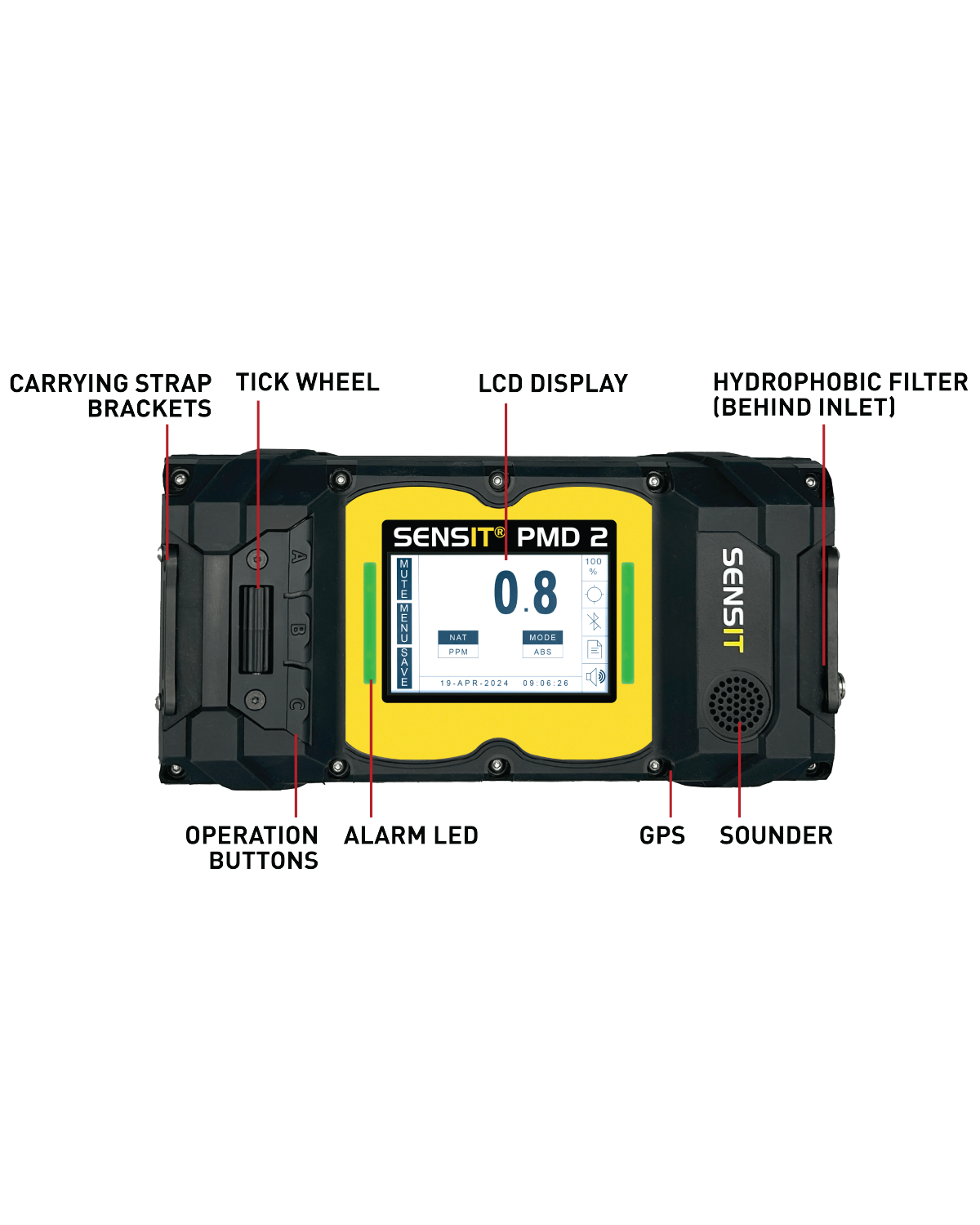
The SENSIT PMD 2 has several adjustable features such as PPM, LEL, and %VOL alarms, a barhole test mode, and tick-style leak pinpointing. With data logging and event capture, this precision instrument makes it easy to gather data and improve productivity. Furthermore, it has several indicators for GPS, pump, battery, data-stream, audible alarms for methane and system faults (such as flow-blocked), and Bluetooth status.
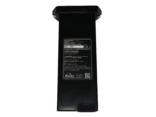
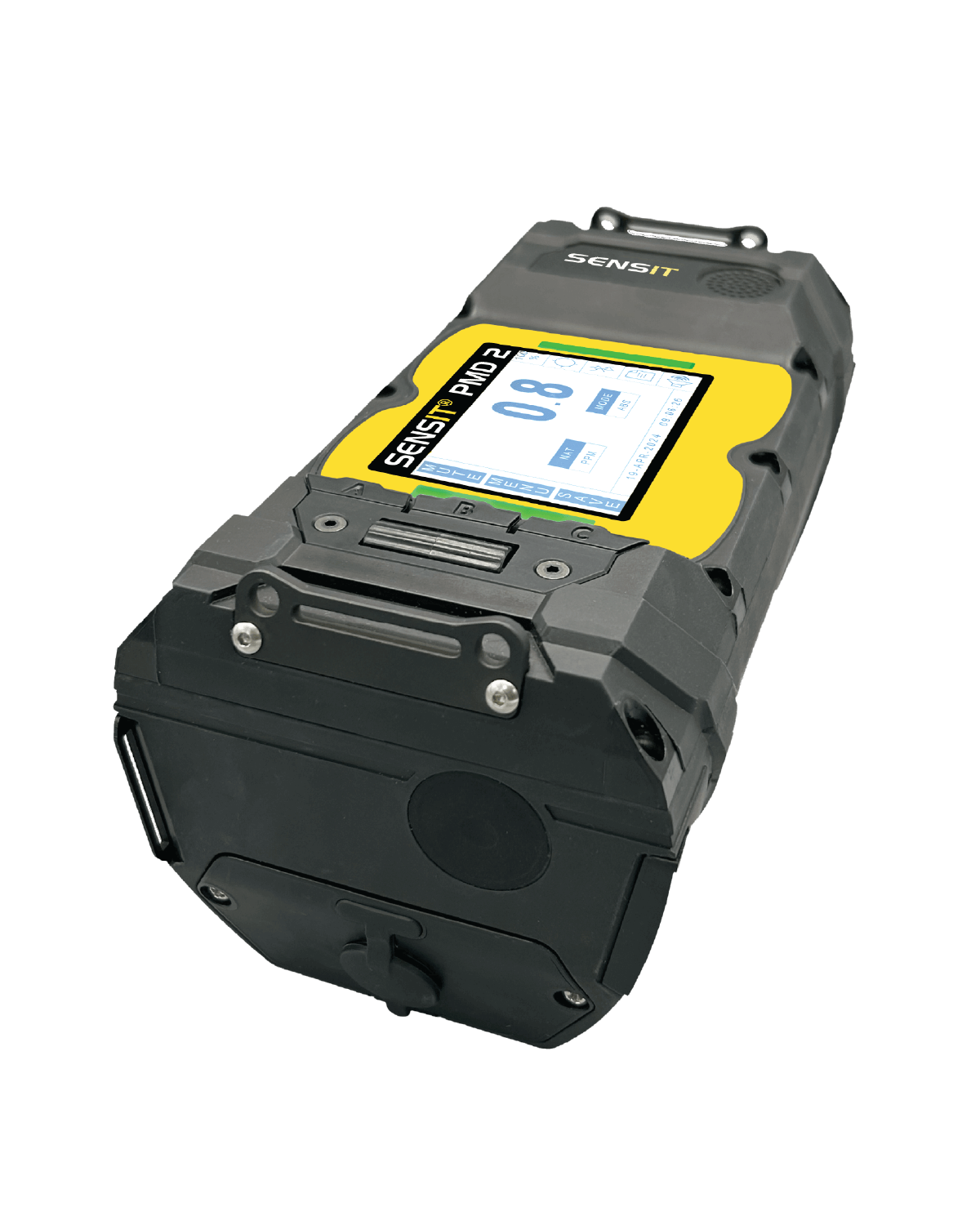
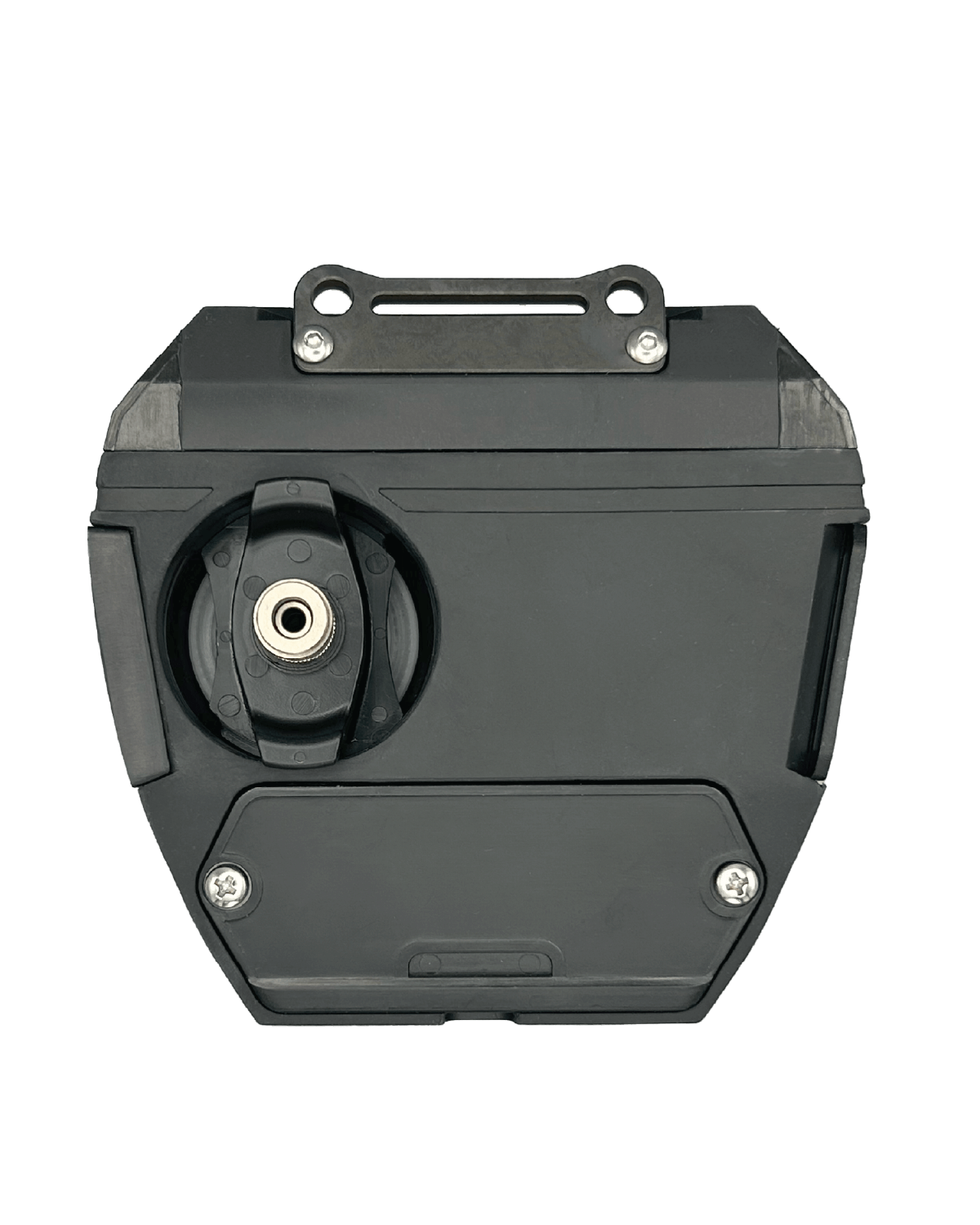
The device is smaller, lighter and has a longer battery life than alternative options. The rechargeable Li-ion battery pack is removable and can be changed in the field.
The SENSIT PMD 2 is designed to meet the need for several applications, including above-ground leak surveys, below-ground leak pinpointing, supporting vehicle leak surveys, grading leaks, methane emission detection, landfill methane detection, and leak pinpointing. With its best-in-class sensitivity and on-board GPS, the SENSIT PMD 2 improves productivity without sacrificing safety or accuracy.
Looking for an open path TDLAS methane detector? View the SENSIT LZ-30 here.
Standard Features
- Large, illuminated display
- Powerful pump
- Methane selectivity
- Adjustable PPM, LEL, and %VOL alarms
- Barhole test mode
- Tick-style leak detection
- Datalogging with event capture
- Rechargeable Li-ion battery pack
- Rubberized over-molded housings for durability
- GPS, pump, battery, data-stream, audible alarms, flow-blocked, and Bluetooth status indicators
- Alarms, both audible and visual, for methane and system faults
Frequently Asked Questions
What gas does the PMD 2 detect?
The PMD 2 detects methane (CH4) only, using Tunable Diode Laser Absorption Spectroscopy (TDLAS). The laser is tuned to methane’s exact absorption wavelength, which means it has no cross-sensitivity to other gases, eliminating false alarms from sewer gas, vehicle exhaust, or other hydrocarbons.
What is included in the PMD2 ship kit?
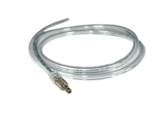
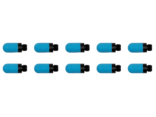
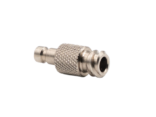
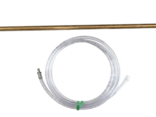
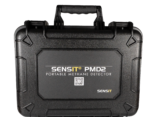
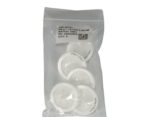
The PMD 2 instrument is ready to use and shipped with a telescopic survey probe, telescopic probe replacement filter, shoulder strap, rechargeable Li-ion battery pack, battery charger with wall transformer and international power adapter, battery door removal tool, quick connect luer fitting (for non-standard probes and calibration), five replacement inlet syringe filters, and a compact hard carrying case.
What is TDLAS and why does it matter?
TDLAS (Tunable Diode Laser Absorption Spectroscopy) uses a laser tuned to methane's exact absorption wavelength to measure gas concentration at a ppm level of accuracy. Unlike catalytic bead or semiconductor sensors, a TDLAS methane detector has zero cross-sensitivity to other hydrocarbons, meaning no false alarms from vehicle exhaust, propane, or other combustible gases. This allows crews to focus on real methane leaks instead of spending time ruling out false positives. A TDLAS methane detector also requires no oxygen to operate, enabling accurate readings in oxygen-depleted environments like confined spaces.
How long does the battery last, and how do I charge it?
The PMD 2 uses a rechargeable lithium-ion battery rated for up to 12 hours of continuous operation. Charging takes up to 8 hours using the included external charger, which accepts standard wall plug (110–240 VAC) or a 12 VDC automotive adapter for charging in the field.
Does the PMD2 require calibration?
Yes. If you use the PMD 2 daily, SENSIT recommends a 90-day calibration interval to ensure measurement accuracy. The instrument is compatible with the Smart-Cal360 automatic calibration and bump test station, supporting extended calibration cycles up to 365 days. A manual calibration kit is also available. The PMD 2 will display a “Calibration Past Due” alert at startup if the calibration interval has expired.
What gases are required for calibration?
Methane 1000 ppm (0.1%VOL), 2.5%VOL and 100%VOL. Bump tests only require 1000 ppm (0.1%VOL).
How can I download survey data from the PMD2?
The PMD 2 stores up to 475,000 data logs, logging at a rate of 1 record per second. You can use Smart-Link360 to wirelessly transfer data logs (timestamps, gas readings, GPS coordinates) to your device via Bluetooth. Data can be viewed and exported in pdf and excel formats.
What is the difference between Relative and Absolute measurement mode?
In Relative mode (default mode in the PMD 2), the PMD 2 measures methane relative to ambient air. Performing an Autozero sets the display to 0 ppm based on your current environment, “zeroing” out the global background methane of ~1.7 - 2.0 ppm. This is the standard operation for most U.S. leak survey work. In Absolute mode, the instrument reports the total methane concentration of the sample, calibrated against nitrogen. Absolute mode may be used for confined-space investigations where a true zero reference is needed. Note: Absolute mode requires nitrogen gas for zeroing and calibration. If you would like to operate the PMD 2 in Absolute mode, please contact SENSIT for assistance.
What probe options are available?
Telescopic Survey Probe (included), Bar Hole Probe, Bell Probe, Zet Probe, Flexible Probe and Bore Probe. The ship kit includes a Quick Connect luer lock for fast, tool-free swaps in the field.
What maintenance is required?
Routine maintenance is minimal. Inspect and replace the 0.45 µm PTFE inlet syringe filter when dirty or clogged (replacement filters are included in the ship kit). SENSIT recommends performing daily bump tests before use and maintaining your calibration schedule via Smart-Cal 360 or the manual calibration kit.
Can the PMD2 be used for vehicle-based survey applications?
Yes. The PMD 2 supports mobile leak survey when paired with a vacuum pump system and proper vehicle mounting. Built-in GPS logging at 1 record per second captures location-tagged readings throughout the survey route. Data can be exported via SMART-LINK 360 in KML format for post-survey route mapping and analysis. Contact SENSIT for more information about adapting the PMD 2 for mobile surveys.