
Responding To Gas Odor Complaints
People often call firefighters and emergency responders when they smell gas or suspect a leak. These situations frequently begin with limited information, high urgency, and the public looking to responders for clear answers.
Combustible gas hazards often can’t be seen, conditions can change rapidly, and responders must make confident decisions without delays or second‑guessing. This requires instruments that are fast, clear, and dependable in real‑world conditions.
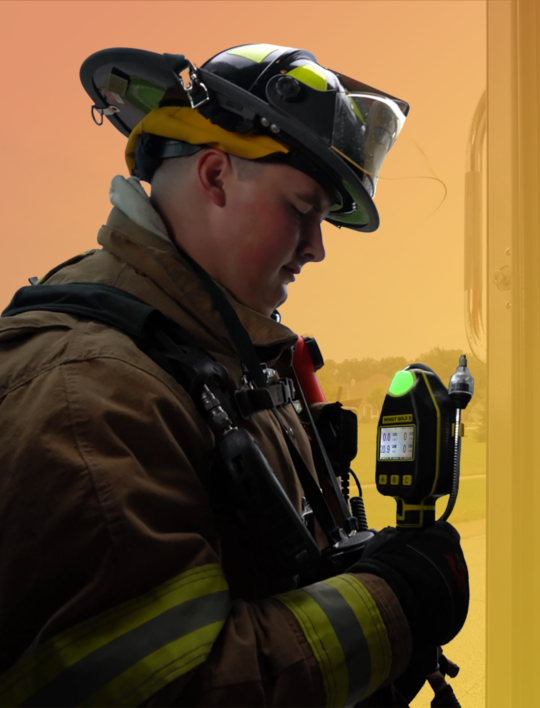
Firefighters commonly wear a personal monitor—often referred to as a “four‑gas meter.” Responders primarily use these instruments to protect themselves when entering burning or potentially hazardous environments. However, the catalytic combustible gas sensors used in most four‑gas meters begin responding only near the lower explosive limit (LEL) of natural gas in air, which corresponds to several thousand parts per million of methane.
As a result, firefighters may miss trace gas levels—measured in tens of parts per million of methane—without the use of higher‑sensitivity gas leak detectors. That’s where SENSIT’s combustible gas indicators, featuring more sensitive metal oxide sensors, come in. These rugged, reliable instruments detect small gas leaks quickly, helping responders make informed decisions faster.
From The Explosive Gas Academy
What Causes Natural Gas Leaks?
Corrosion Failure
Galvanic atmospheric and microbiological corrosive action can impact the integrity of natural gas distribution systems. Failures are not limited to a hole in the pipe, corrosion can damage fittings and glands and create leaks.
Pipe, Weld or Joint Failure
Material defects and in-service stresses can cause pipes, components, and joints to fail. Operators pressurize natural gas pipelines and install relief equipment to help manage operational or valve-control failures.
Natural Force Damage
Temperature changes, heavy rain, floods, subsidence, landslides, earthquakes and even high winds blowing objects into infrastructure create stresses and the potential for leaks. Tree root systems are also a factor to consider with underground infrastructure.
Excavation Damage
Whether it’s through digging, grading, boring or drilling the installation and maintenance of other underground infrastructure can lead to damage of natural gas infrastructure, particularly in urban areas with dense underground infrastructure across gas, water, sewers and telecommunications.
Outside Force Damage
Vehicular traffic loading and contact from cars, trucks and other heavy equipment that can move can put outside forces on natural gas piping and connections leading the mechanical damage and leaks.
Intentional Damage
Willful or malicious destruction of equipment does unfortunately happen.
What Responders Need For Gas Odor Complaints
Reliable Support & Training
They need to be prepared, supported, and ready to roll the moment a call comes in.
Faster Gas Detection
Speed is everything. Quick detection helps them be decisive and make better, safer choices.
Clear, Simple Readings
In pressure situations, they need unambiguous alarms and displays that are incredibly easy to interpret instantly.
Complete Hazard Awareness
Dangers can come from combustible gases, oxygen depletion, or toxins. Responders need full multi-gas visibility
WHAT WE DO
SENSIT Solutions For Fire & Emergency Responders
Our battery powered instruments can be activated quickly and are straightforward to use.